The Ecological Assessment Initiative, the EAI-Project, was a three-year project aimed at understanding the long-term biodiversity and socioeconomic impacts of agricultural land use change on nature and humans.
The EAI-Project was a scientific cooperation project between the SASE Lab at Westlake University (WU), the Universidade Estadual de Santa Cruz (UESC) and AMAP. The scientific expertise was provided by the project partners from WU and the UESC. AMAP provides logistics, infrastructure and personnel for the implementation of the project. The project was designed as a platform whose basic monitoring is to be shared and expanded by new cooperation partners. The EAI-Project partners with the Global Agroforestry Network, initiated by the SASE Lab.
The EAI-Project used artificial intelligence (AI)-based biodiversity monitoring cameras to quantify biodiversity changes and implications for ecosystems services such as pollination and pest control. Further, the project combined the biodiversity and land use change data with socioeconomic survey parameters to identify the main drivers of boom and bust cycles in cocoa production in Bahia.
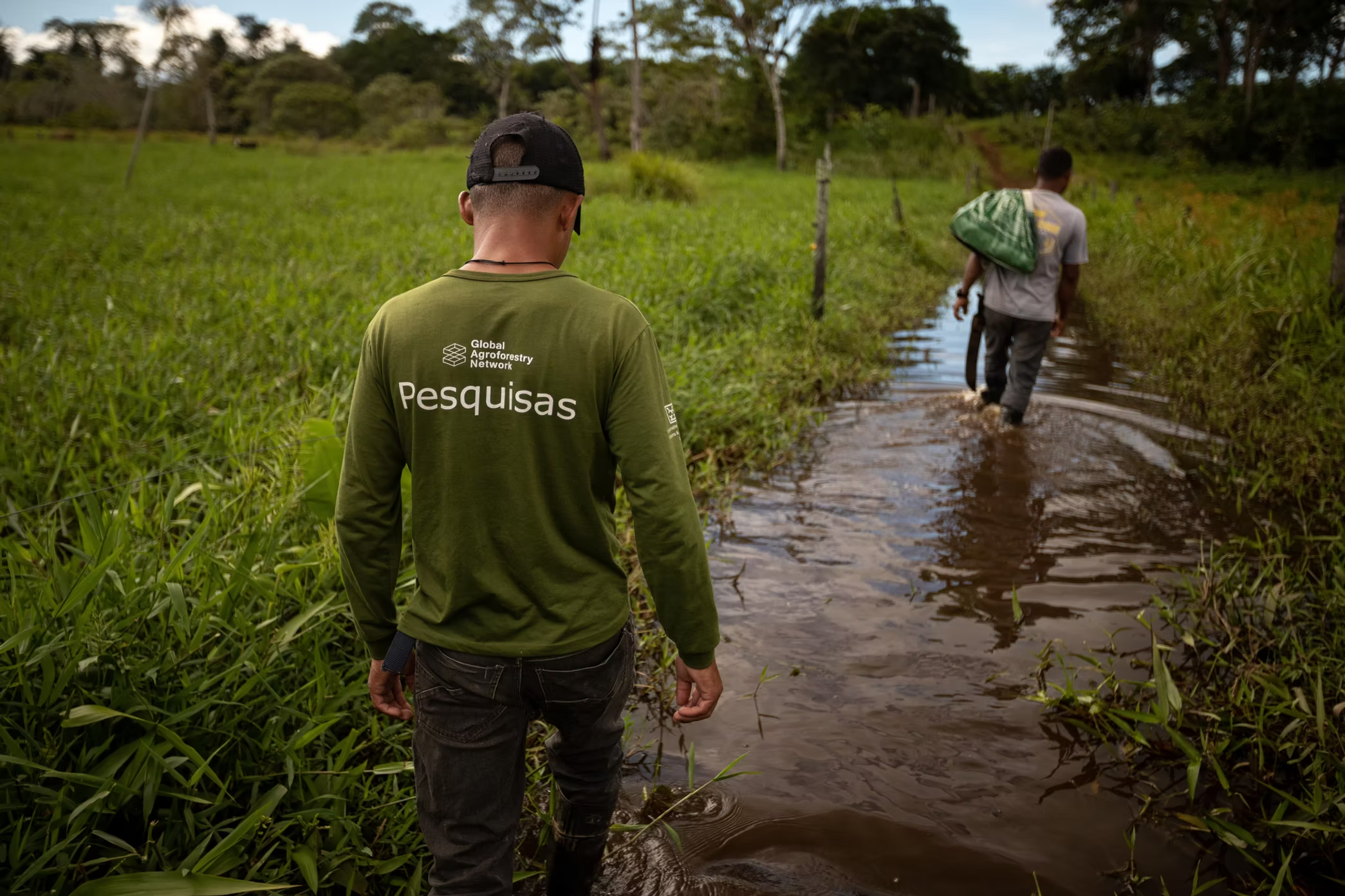
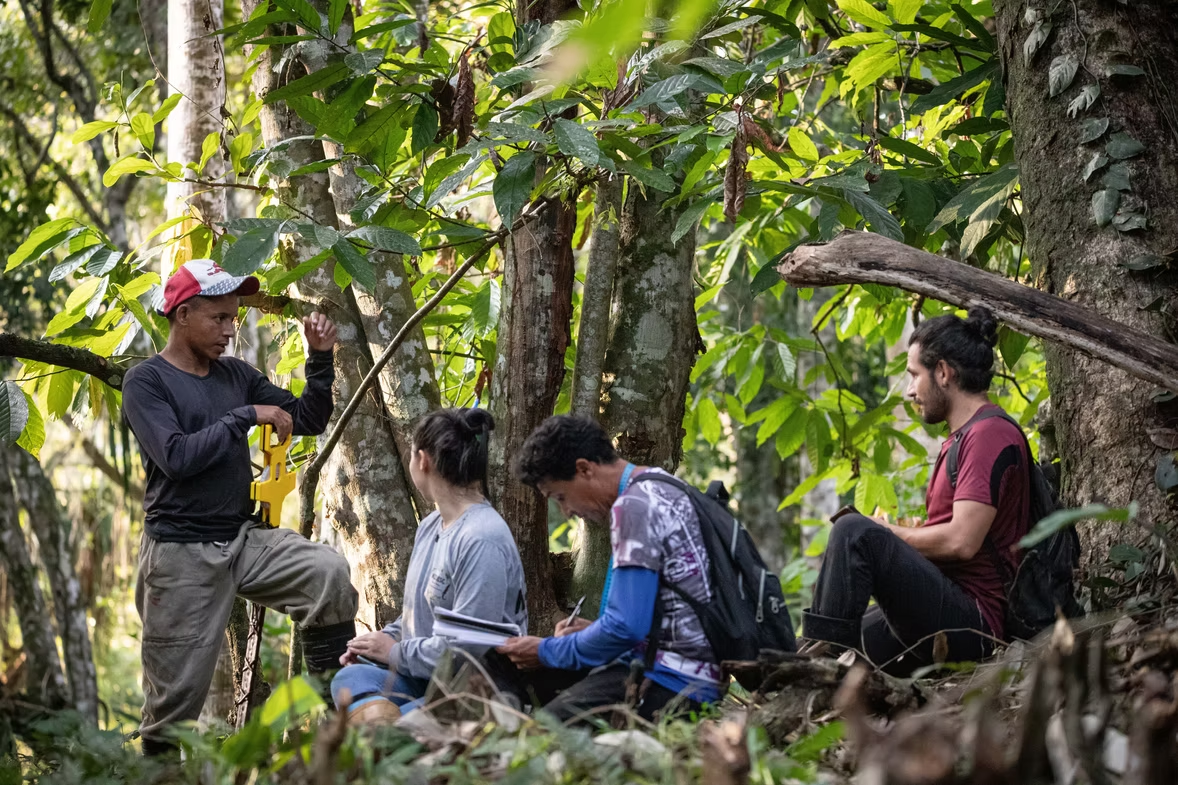
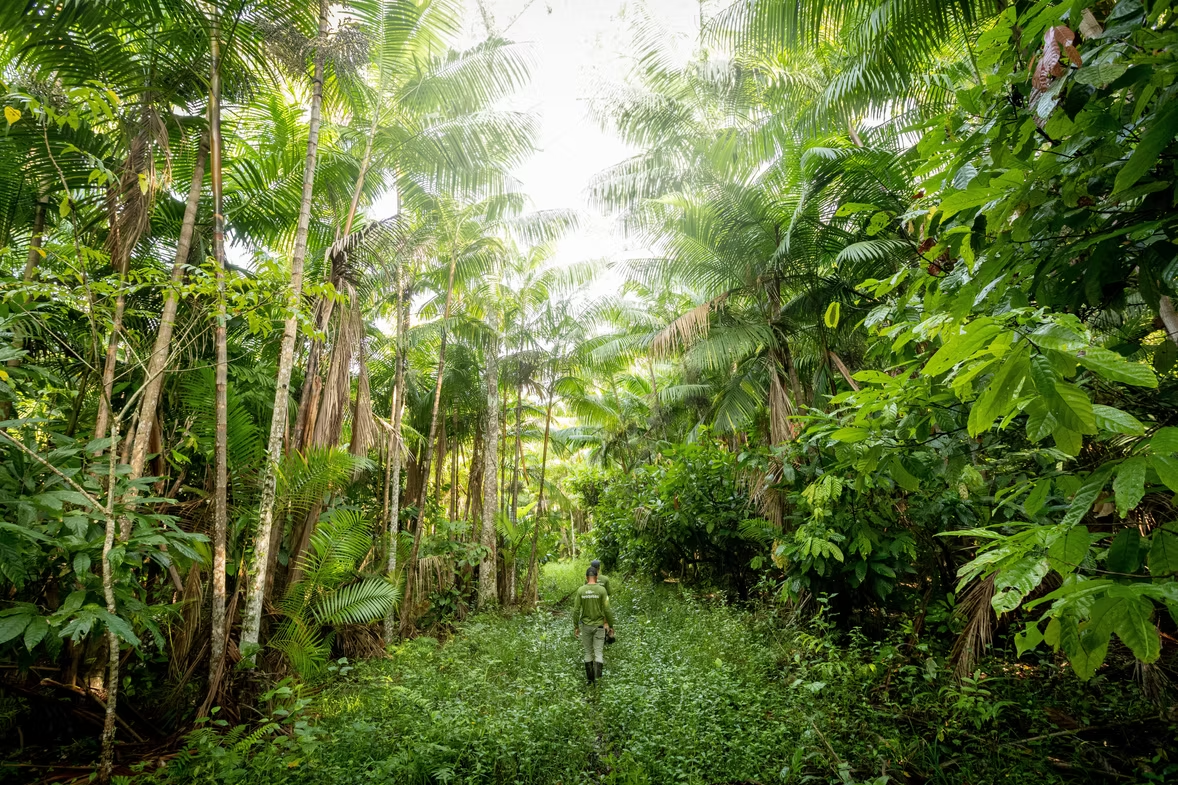
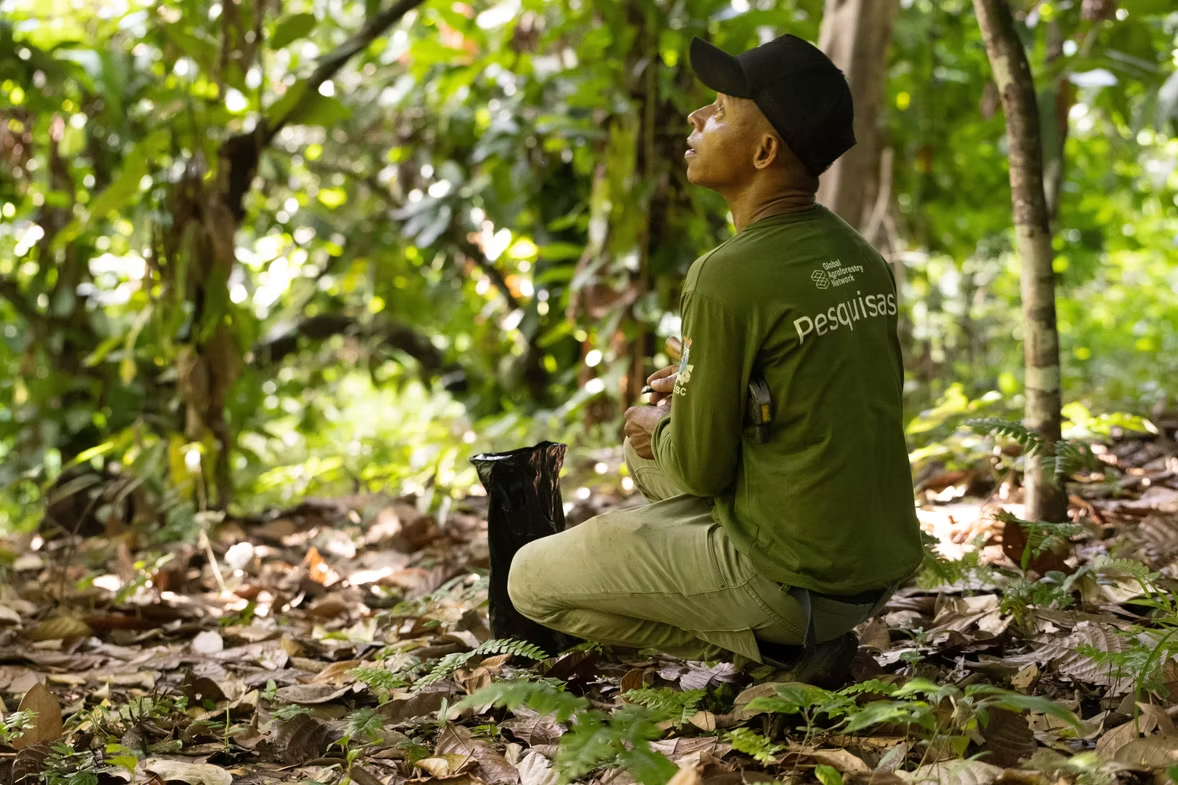
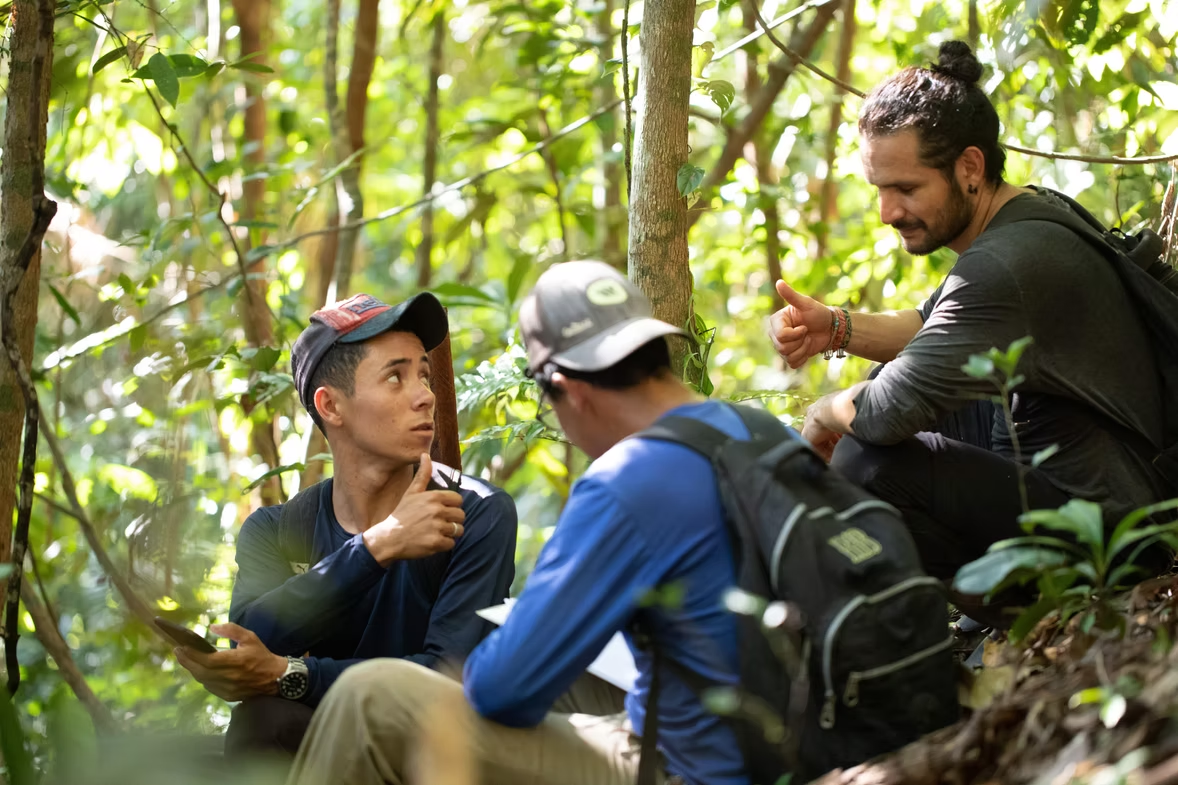
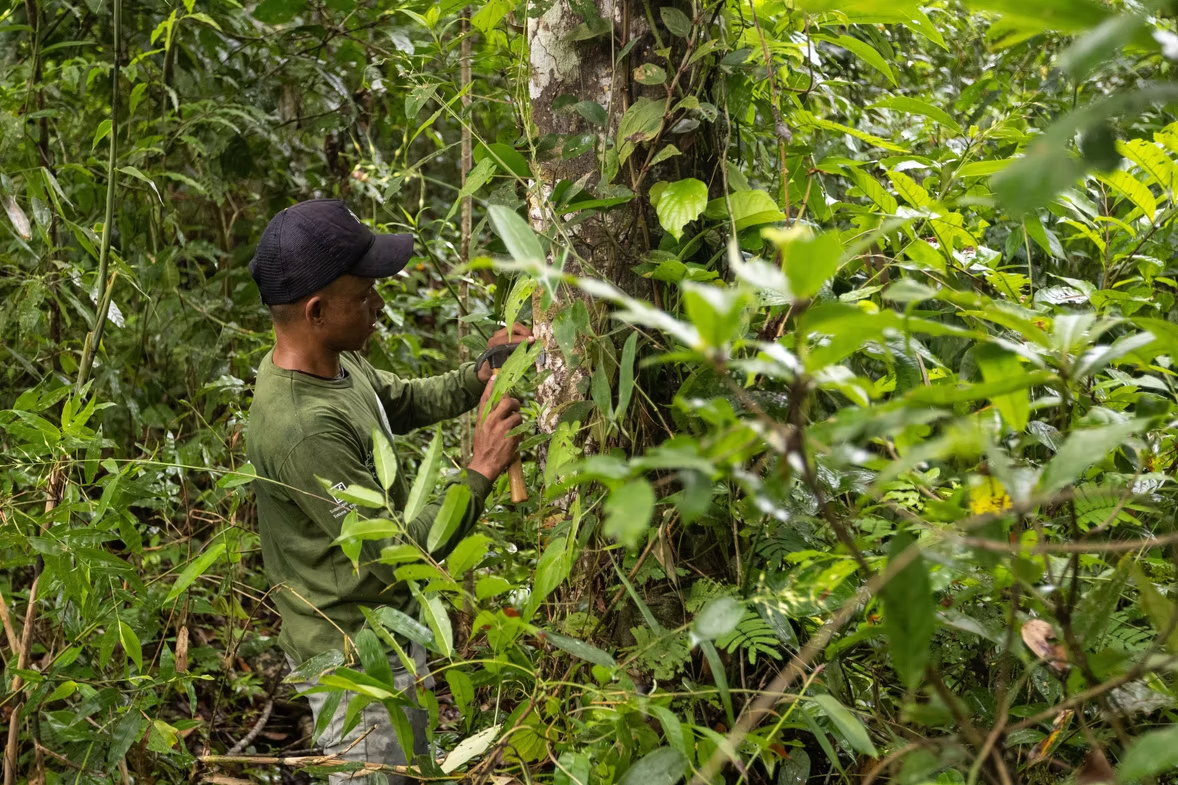
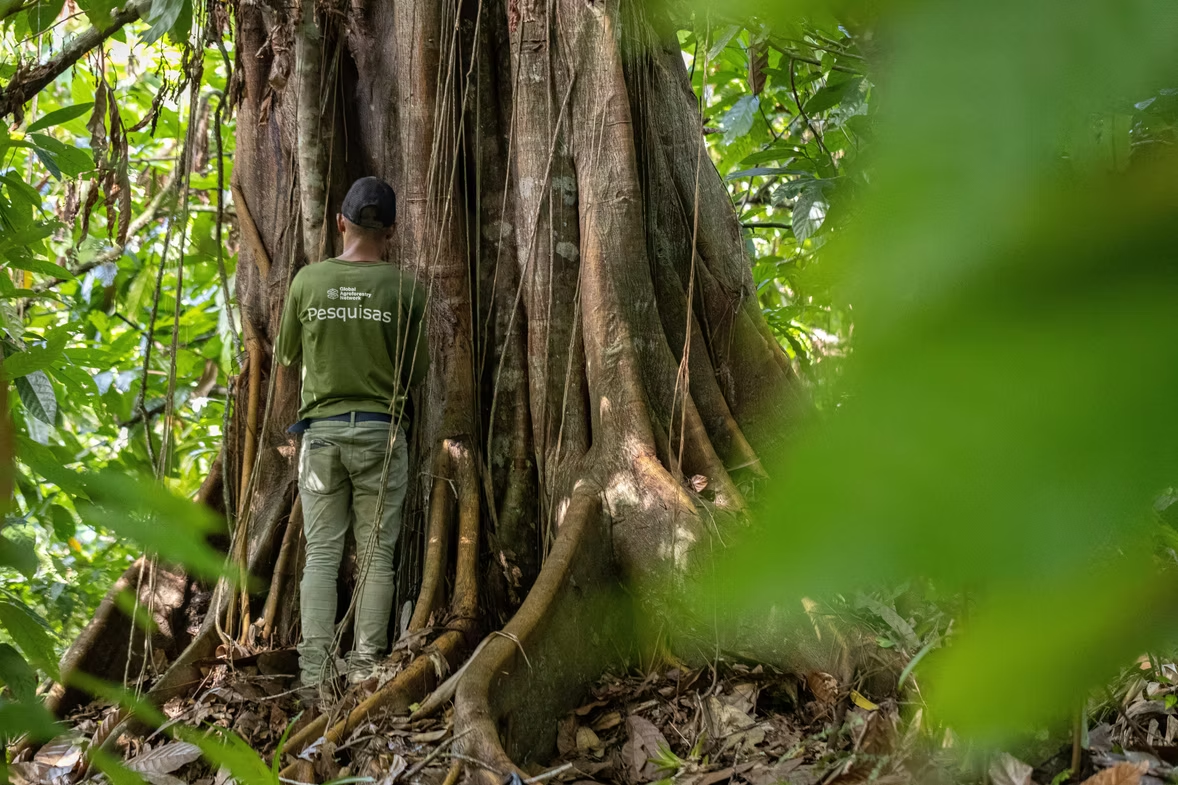
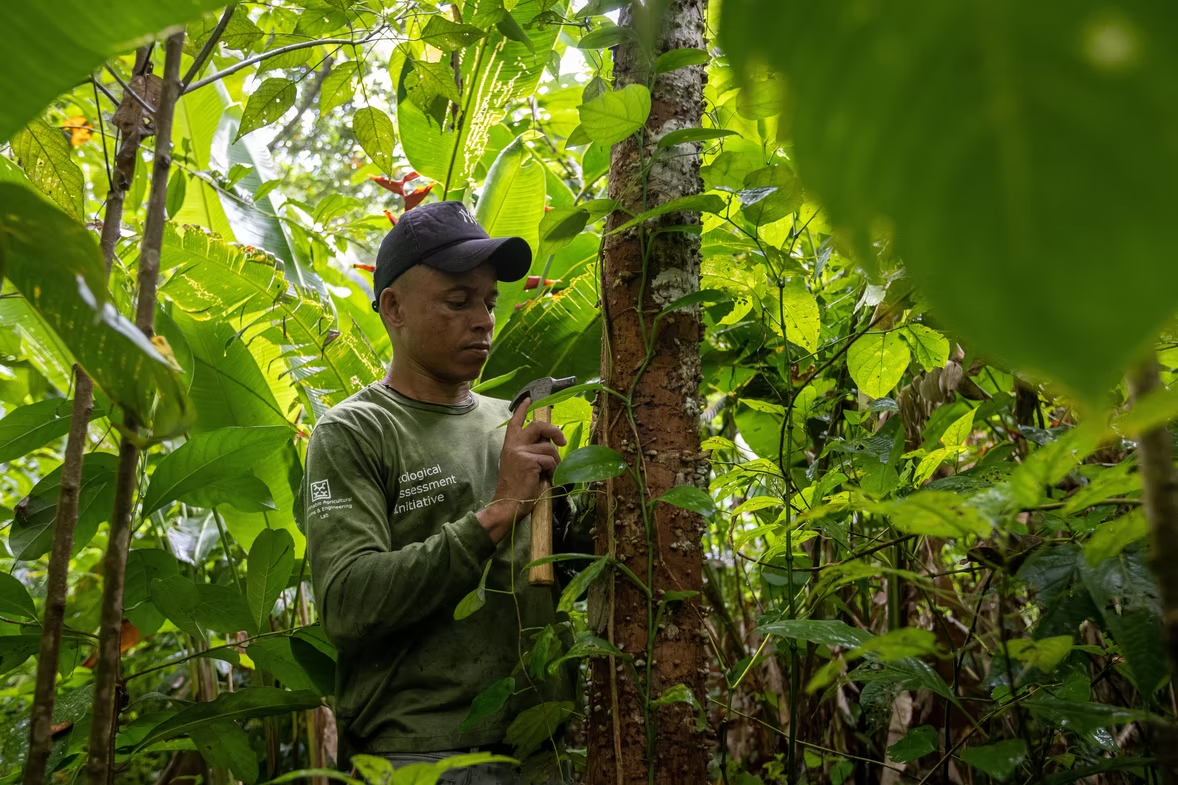
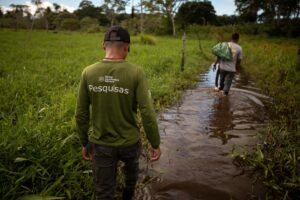
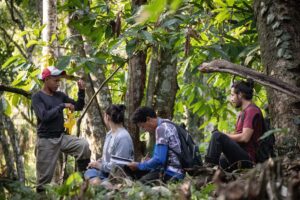
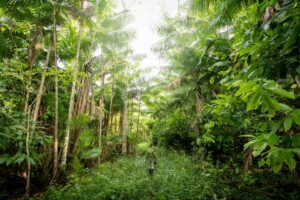
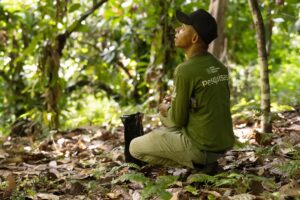
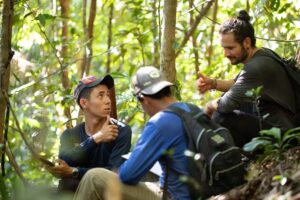
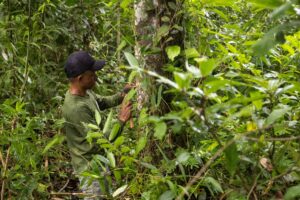
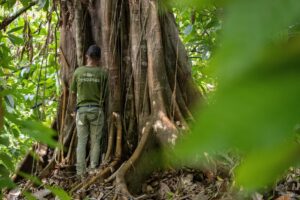
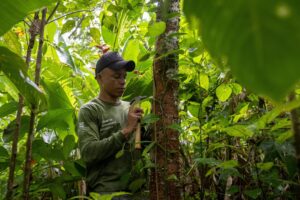
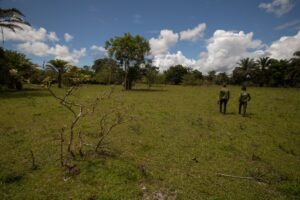
The project was carried out from 2022 to 2024 and had the following objectives:
- Understand the effect of land use changes across six main habitats on tree diversity, composition, and provided ecosystem services.
- Evaluate pollination, pest control, carbon sequestration, and cocoa yield changes across a land-use intensification gradient.
- Develop a predictive model of the environmental and socioeconomic drivers of boom and bust cycles in cocoa production in Bahia to make regional scale predictions for sustainable land use.
- Provide science-based recommendations to cocoa stakeholders for adoption agroecological practices for biodiversity conservation, climate impact mitigation, and sustainable cocoa production.
Project sites
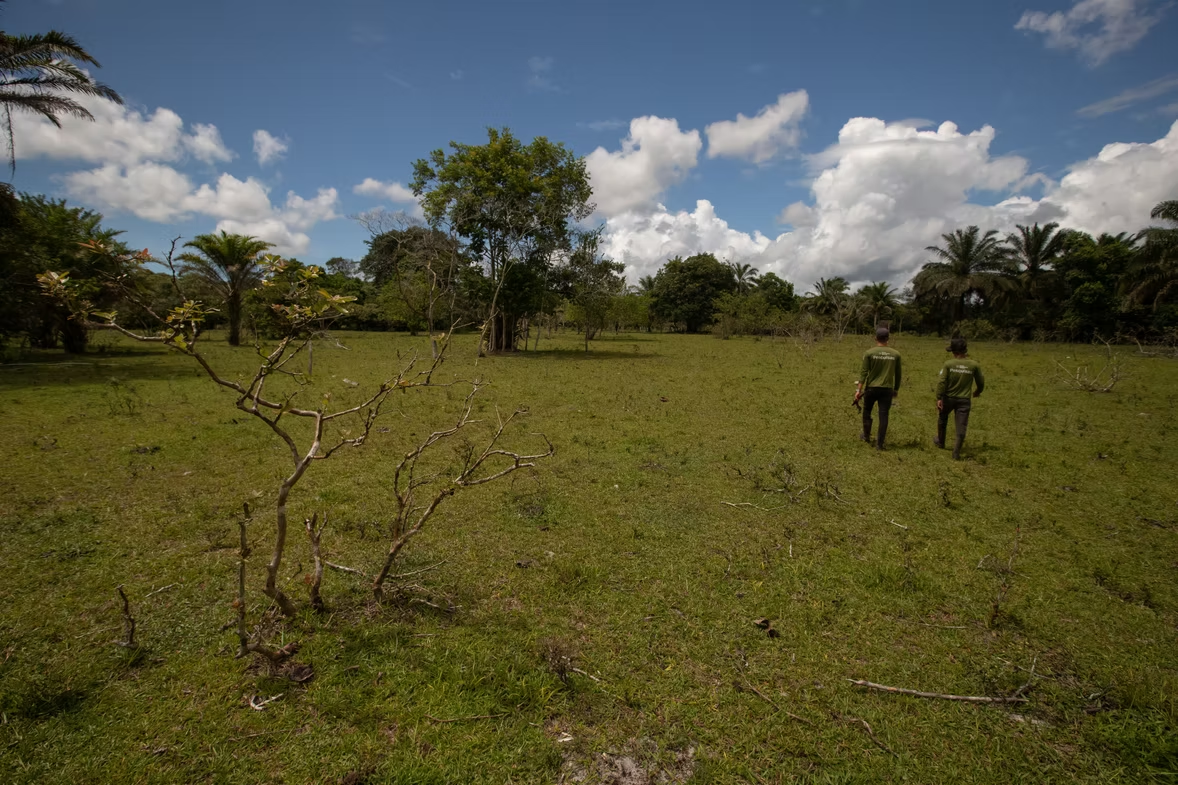
The study area is situated in the south of Bahia, nearby the Almada river. Here 60 permanent study plots of 40m2 each were established and characterized. Altogether 20 fazendas and sitios were involved in the project.